
Part 1
The part nobody tells you
A hailstorm doesn't put a hole in your roof. That would almost be better — you'd see a hole.
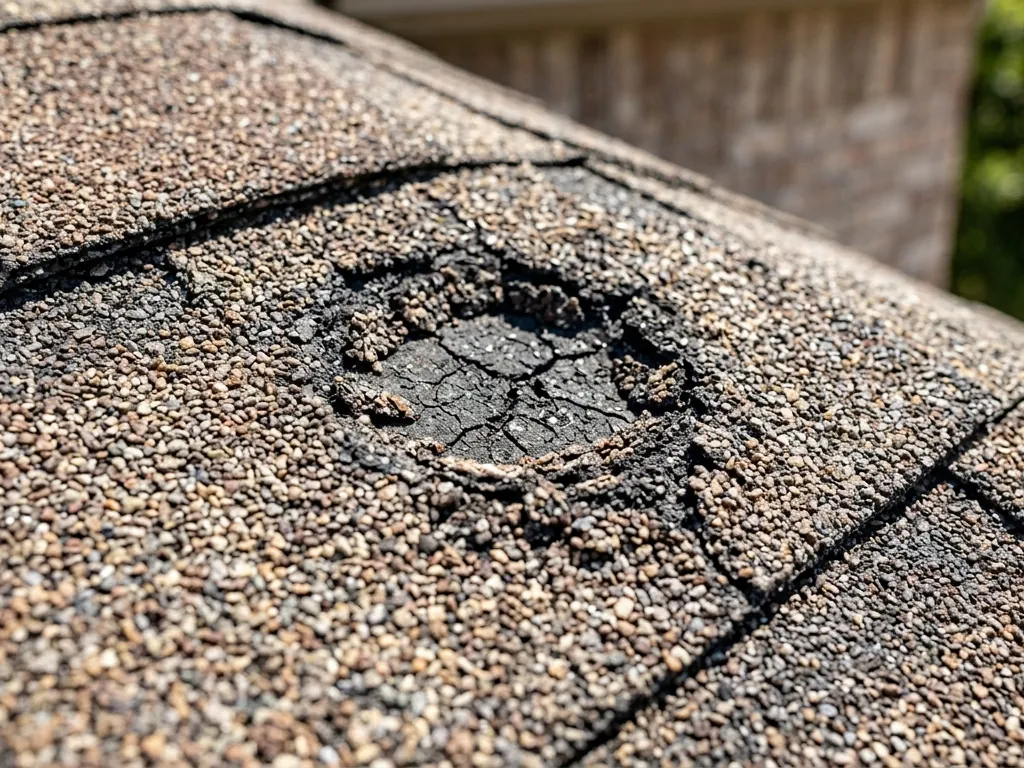
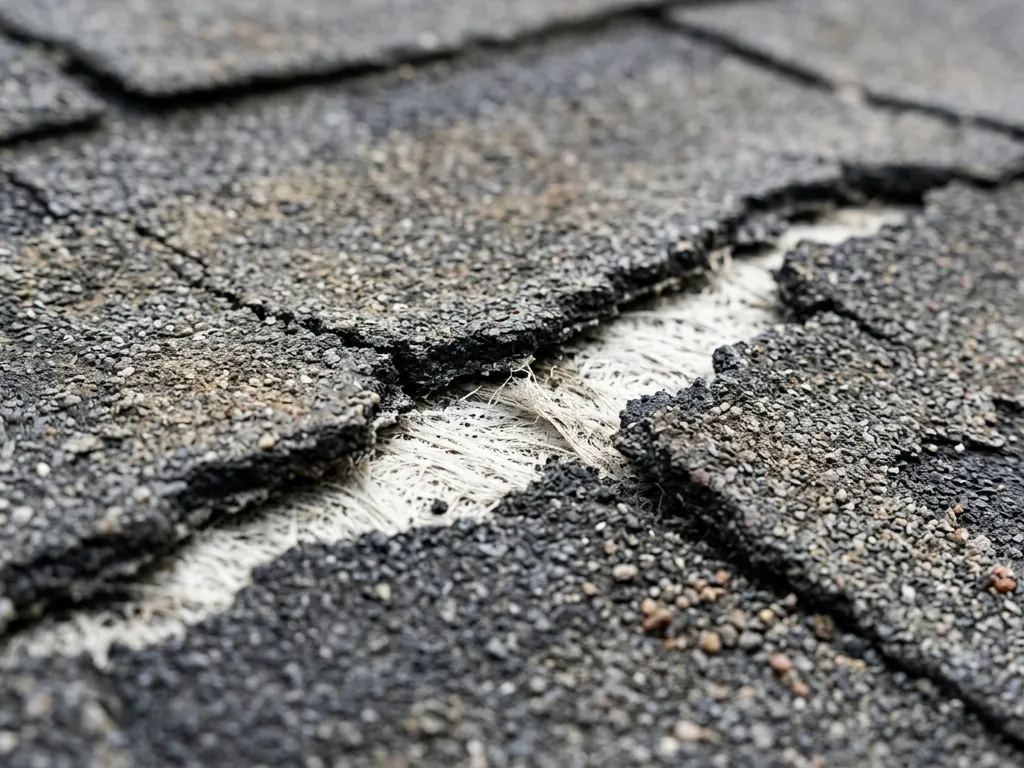
What hail actually leaves is a bruise: a soft, dark spot where the stones knocked the protective granules loose and cracked the shingle's core underneath. From the yard it looks like nothing. It doesn't leak today. It leaks after the next few rains — sometimes a year later — once water has worked its way through the crack and into your decking. By then two things have happened: the repair is bigger, and the marks that proved when the damage happened have faded into what looks like ordinary wear.
Your roof is the lid on the biggest thing you own. This guide is how you check that lid without leaving the ground.
Part 2
The 10-minute walk-around (feet on the grass)
Rule one: do not get on the roof. Everything below is visible from the ground. People get hurt on ladders every storm season; nothing up there is worth that.
Walk the house once, slowly, and look for these five things:
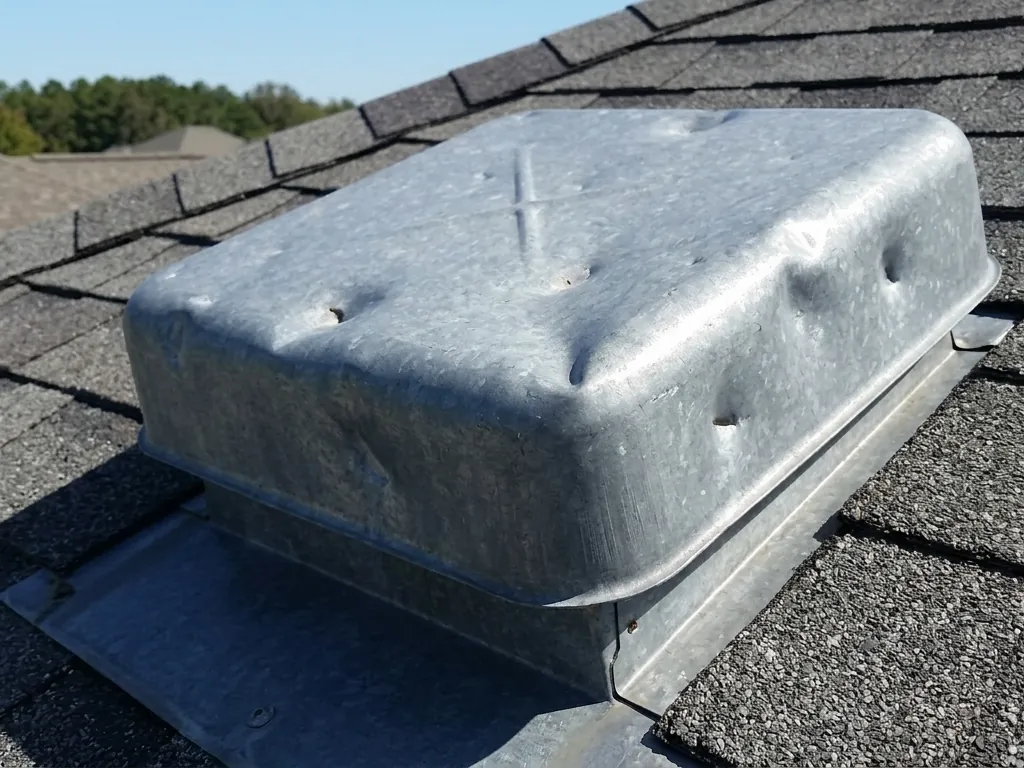
Granule piles. The gritty sand collecting at the bottom of downspouts and in gutter runs. Those granules are your shingles' armor — fresh piles after a storm mean the hail knocked it off. Dents in soft metal. Vent caps, gutters, flashing, the fins on your AC unit, even your mailbox. Metal dents at hail sizes that also bruise shingles — adjusters look here first to tell hail from age. Bruised shingles (binoculars help). Dark spots the size of a quarter or larger, sometimes shiny where granules are gone. Feels like a bruise on an apple if you could touch it. Paint chips and pockmarks on fences, decks, and window trim — hail leaves its size signature on everything, not just the roof. Torn window screens and cracked skylights. If the storm did this at eye level, ask what it did forty feet up.
Found two or more? Your roof deserves a trained look. Found none? Great — keep this guide for the next storm. DFW always gets a next storm.
Part 3
The three photos to take before it rains again
Every rain fades the evidence that ties damage to a storm date. Ten minutes with your phone protects you:
The wide shot. Each side of the house, roof in frame, from the yard. Your phone stamps the date — that stamp is the whole point. The dents. Close-ups of every dinged vent cap, gutter, and AC fin. Put a coin next to a dent for scale if you can reach it safely. The ground evidence. Granule piles at the downspouts, chipped fence paint, hailstones themselves if you're reading this during the storm (next to that same coin).
Save them somewhere you won't lose them. If you ever file a claim — this month or next spring — dated photos from the week of the storm are worth more than anything anyone can photograph later.
Part 4
Inside the house: catching a leak before it drips
A leak announces itself long before water hits the carpet:
Ceiling stains — faint tan or yellow rings, usually at corners and around light fixtures. Photograph them dated, even if they're old; you want to know if they grow. A musty smell in the attic after rain that wasn't there before. Daylight or damp insulation in the attic (flashlight from the hatch is plenty — again, no climbing).
Any of these within months after a hail event is a "call someone this week" sign, not a "keep an eye on it" sign. Water damage compounds quietly.
Part 5
The six red flags of a storm chaser
Every big hailstorm pulls a wave of out-of-town operators into DFW. Some do honest work and leave. Some take deposits and vanish, or slap on the cheapest shingle they can find and are two states away when it fails. The tells:
They knocked on your door the day after the storm and want a signature today. Real local companies have full schedules, not door quotas. They offer to "cover" or "waive" your deductible. In Texas this has been illegal since 2019 — a contractor who starts the relationship with an illegal offer is telling you who they are. No local address you can drive to. A truck and a phone number is not a company. Ask where they were the year before the storm. They want you to sign an "assignment of benefits" or any paper that puts them — not you — in charge of your claim. Never sign at the door. High-pressure "storm pricing" that expires today. Real damage doesn't expire in an afternoon, and neither do real quotes. They quote a full roof price from the driveway without getting on the roof. Nobody knows what your roof needs from a truck window.
You choose your contractor — not your insurance company, and definitely not whoever knocks first. Take a week if you need it. A legitimate local company will still be here.
Part 6
The insurance part, without the fog
Nobody can promise you what your policy covers — anyone who does is lying to you. What's simply true and worth knowing:
Policies have filing windows. Many in Texas run about a year from the date of the storm, but yours is whatever your policy says. Find the paragraph — today, while nothing is wrong. Documentation beats memory. A dated photo report from the week of the storm answers questions an adjuster asks months later. You can have your own documentation before an adjuster visit. Walking into that conversation already knowing what's on your roof changes it. Whether to file at all is your call. Sometimes damage is real but small; a straight answer about that is worth as much as a big find.
Next: Before the next storm (the ten-minute insurance policy)
Part 7
Before the next storm (the ten-minute insurance policy)
Take the three photos from Part 3 now, on a clear day. That's your "before" — the baseline that makes storm damage undeniable later. Trim branches hanging over the roof; wind turns them into hammers. Clear the gutters — backed-up water finds every weak spot hail leaves. Know where your policy is and what your deductible actually is. Storm night is a bad time to learn.
Part 8
If you'd rather have a professional look
This guide gets you a long way from the ground. It can't see the top of every slope, the ridge, or the far side of the chimney — that takes a camera above the roof.
That's what we do, free: our drone photographs every slope, and you get a dated photo report that's yours to keep — take it to your insurer, another roofer, or a drawer. If there's nothing wrong, you'll hear "there's nothing wrong." Nobody climbs on your roof. We're at 3908 Williamson Road in Crowley — before the storm, and after it.
You don't have to be home. The flight takes about twenty minutes from the driveway, and the report is in your inbox the same day.
Know a neighbor under the same storm? Text them this guide — or send the link: legacyroofingdfw.com/guide